


1) workshop-day for the Partner researchers which allows to exchange of experiences, train each other and will work to create recommendations for fruit producers and other stakeholders;
2) networking-day with local stakeholders during 2-5 field trips. During these visits partners will learn about the problems and solutions implemented by individual countries in SJS control.

On April 9, 2024, a meeting of four members of the project team was held at the University of Life Sciences in Lublin entitled “QKIS (Quadraspidiotus Knowledge Information System) network”. The meeting participants were representatives of the consortium partners: University of Life Sciences in Lublin (Poland), Biosad, z.s., (Czech Republic) Plant Protection Institute Centre for Agricultural Research (Hungary) and invited Balkan Partner from University of Belgrade (Serbia). The aim of the meeting, chaired by dr hab. Katarzyna Golan, prof. university was to discuss further details of the cooperation and the implementation of the project and choose methods and tools supporting knowledge flow within the QKIS network in the region of the Visegrad Group countries. During the meeting all project activities were scheduling, planning, dividing the work and setting deadlines for delivering the assigned tasks.


On June 18-19, 2024, the first study visit of the project team members “QKIS (Quadraspidiotus Knowledge Information System) network” took place at the University of Life Sciences in Lublin. The hosts of the meeting were the researchers of the Subdepartment of Entomology, Department of Plant Protection:
- Katarzyna Golan– Project Coordinator,
- Izabela Kot,
- Katarzyna Kmieć,
- Edyta Górska-Drabik,
This meeting was the first of three planned study visits, during which Consortium members solve problems related to the San José scale (SJS) invasive pest species occurring in the V4 region.
The meeting participants were representatives of the consortium partners: University of Life Sciences in Lublin (Poland); Biosad z.s. – Association of Fruit Growers in The Czech Republic, Research and Breeding Fruit Institute Holovousy S.R.O. (Vsuo) (Czechy); Plant Protection Institute Centre for Agricultural Research HUN-REN (Węgry) and invited Balkan Partner from University of Belgrade (Serbia).
NETWORKING-DAY June 18, 2024
Project Partners will take a part in field trips to orchards located in Opole district (commune: Wilków, Łaziska).
One of the goals of the study visit is to exchange the knowledge and experiences between Project Partners and work on the “Practical guide on SJS monitoring and management in V4 region”. This will be used to create future recommendation for fruit producers and other stakeholders on the SJS management.
On the first day of the visit on the Project Partners took part in field trips to orchards located in Opole district (commune: Wilków, Łaziska). During this trip, six orchards were visited. Partners had the opportunity to observe the damage caused by SJS in Polish orchards, collect material for analysis and obtain information regarding orchard farmers’ problems caused by the SJS feeding.


WORKSHOP-DAY June 19, 2024
During the second day of the visit, practical training took place in the laboratory of the Department of Plant Protection of the University of Life Sciences in Lublin. The meeting began with a presentation by the project coordinator, Ph.D. Katarzyna Golan, Assoc. Prof. concerning the SJS identification, preparation of microscope slides, the morphological features of particular developmental stages and SJS management methods in Poland.

Information related to the degree days () for each developmental stages of the SJS in Poland was presented by Ph.D. Katarzyna Kmieć, Assoc. Prof.

At the end of the theoretical part of the meeting, Ph.D. Izabela Kot, Assoc. Prof. presented a new project logo and website design.

The next phase of the meeting was:
– the analysis of microscopic slides with SJS,
– the analysis of plant material collected in the orchards during the field trips,
– inspection of pheromone traps and sticky tapes for the presence of males and first instar nymphs of the SJS as well as the natural enemies of this pest.
The analysis of the material was accompanied by an exchange of knowledge and discussion on topics related to SJS, its importance and management methods in the V4 region, as well as activities related to the development of the “Practical guide for monitoring and management of SJS in the V4 region”.

During the meeting, key issues related to the implementation of the project were discussed and a schedule of subsequent meetings of the project participants was established.


The meeting participants were representatives of the Consortium Partners:
- Katarzyna Golan, University of Life Sciences in Lublin
- Izabela Kot, University of Life Sciences in Lublin,
- Katarzyna Kmieć, University of Life Sciences in Lublin,
- Edyta Górska-Drabik, University of Life Sciences in Lublin,
- Monika Poniewozik, University of Life Sciences in Lublin,
- Éva Szita, Plant Protection Institute Centre for Agricultural Research HUN-REN (Węgry)
- Gero Kornel (Plant Protection Institute Centre for Agricultural Research HUN-REN (Węgry)
- Kamil Holý, Biosad (Czechy),
- Marija Milošević, University of Belgrade (Serbia)
- Michal SKALSKÝ (Research And Breeding Fruit Institute Holovousy S.R.O. (Vsuo)
- Jana Ouředníčková (Research And Breeding Fruit Institute Holovousy S.R.O. (Vsuo)
1-2 October 2024, the second study visit of the project team members “QKIS (Quadraspidiotus Knowledge Information System) network” took place at the Plant Protection Institute, HUN-REN Centre For Agricultural Research, Martonvásár, Hungary. The hosts of the meeting were the researchers of the Department of Zoology:
- Éva Szita,
- Kornél Gerő
This meeting was the second of three planned study visits, during which Consortium members solve problems related to the San José scale (SJS) invasive pest species occurring in the V4 region.
The meeting participants were representatives of the consortium partners: University of Life Sciences in Lublin (Poland); Biosad z.s. – Association of Fruit Growers in The Czech Republic, Research and Breeding Fruit Institute Holovousy s.r.o. (Czech Republic); Plant Protection Institute Centre HUN-REN for Agricultural Research (Hungary) and invited Balkan Partner from University of Belgrade (Serbia).
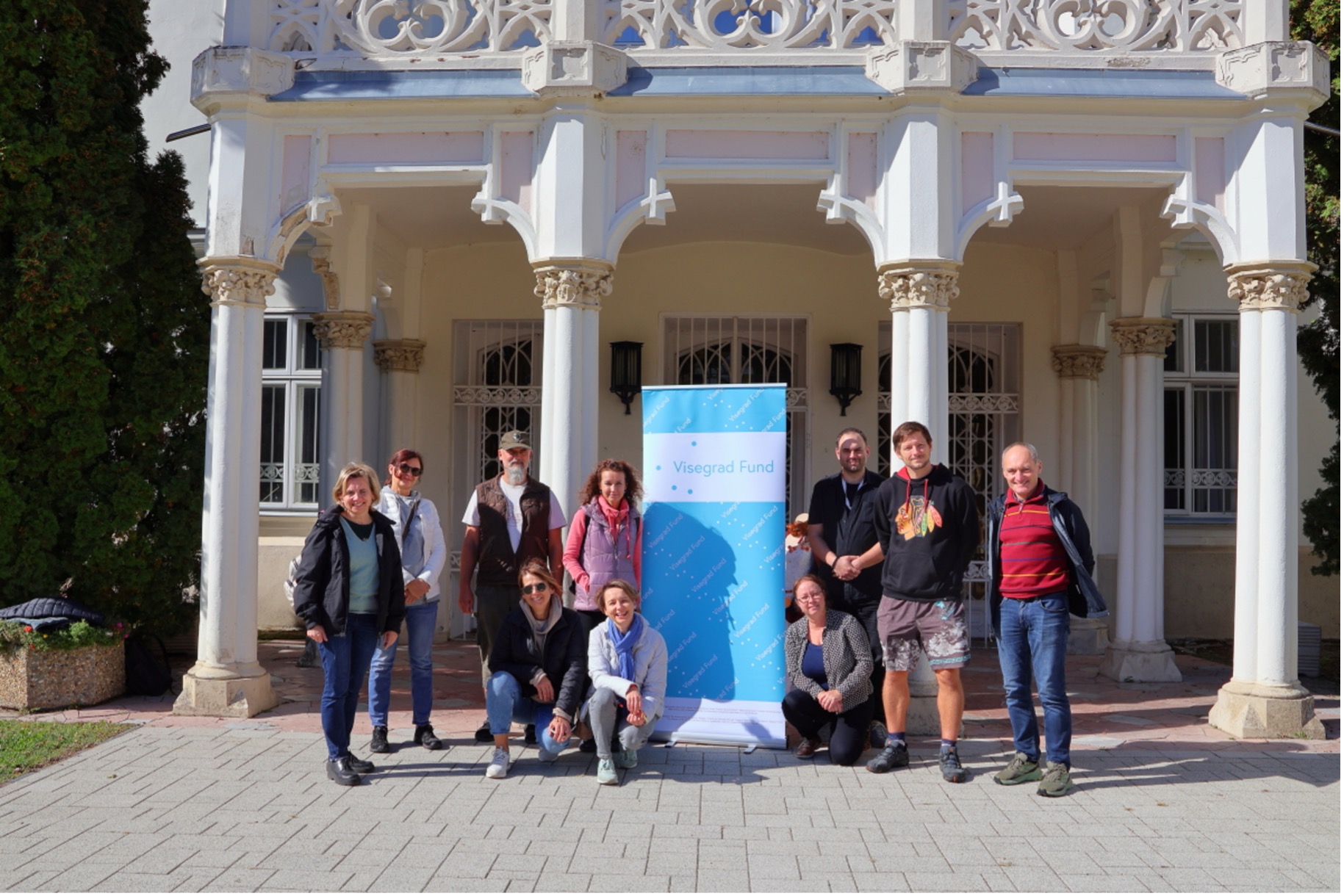
WORKSHOP DAY, 1 October 2024
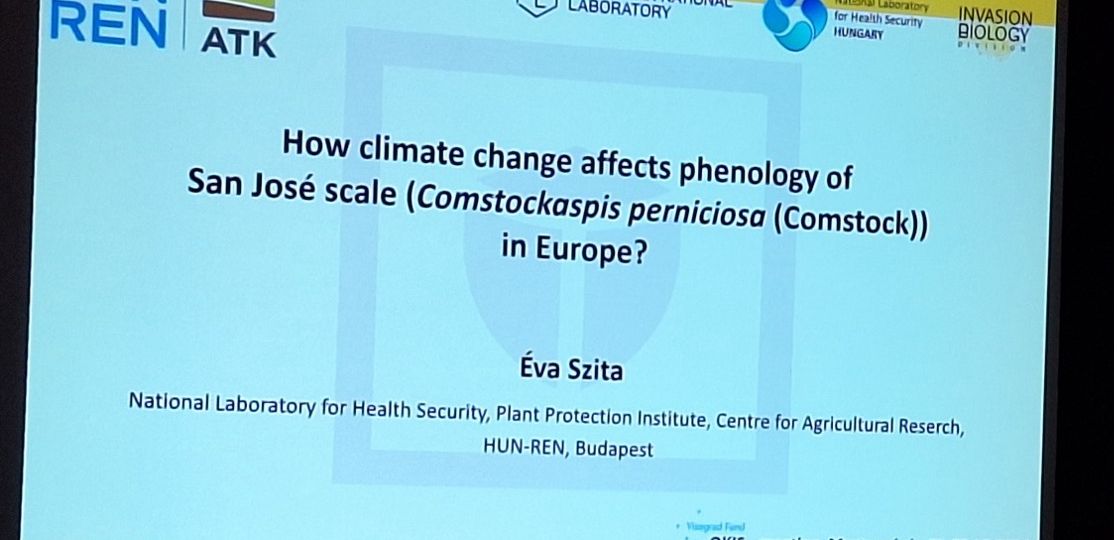
During the first day of the visit, which was held in the main building of HUN-REN for Agricultural Research in Martonvásár, issues related to the ecology of San José scale were discussed. The meeting began with a presentation by one of the local organizers, Dr. Éva Szita, focusing on global warming and climate change related shifts in phenological and distribution patterns of SJS in Europe, mainly int he territories of Visegrad 4 countries.
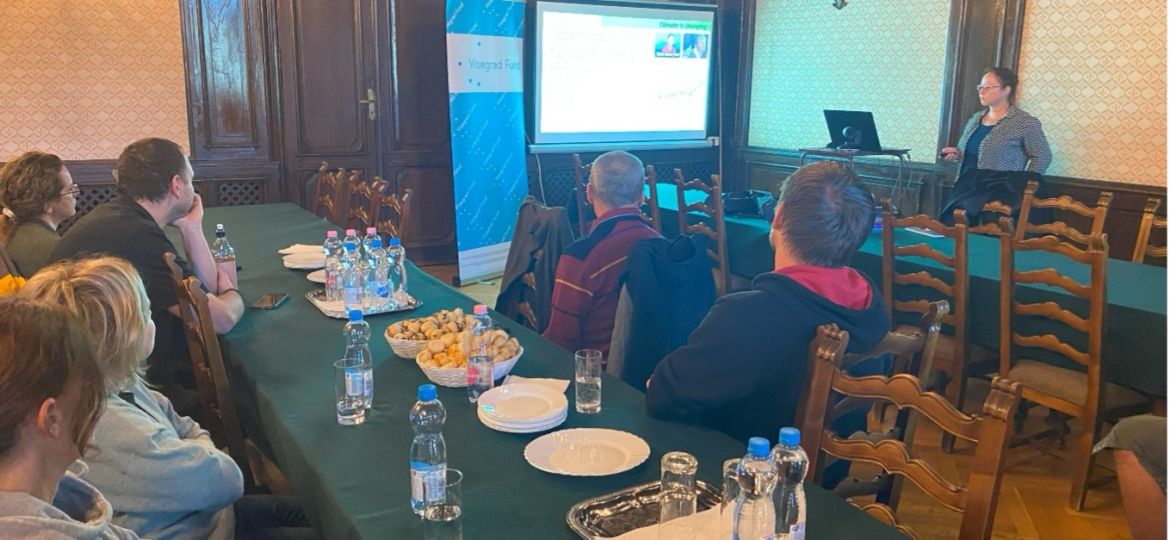
During the study visit, members of the Consortium continued working on topics on San José scale (SJS), which is one of the most dangeouros invasive pest species in the V4 region.
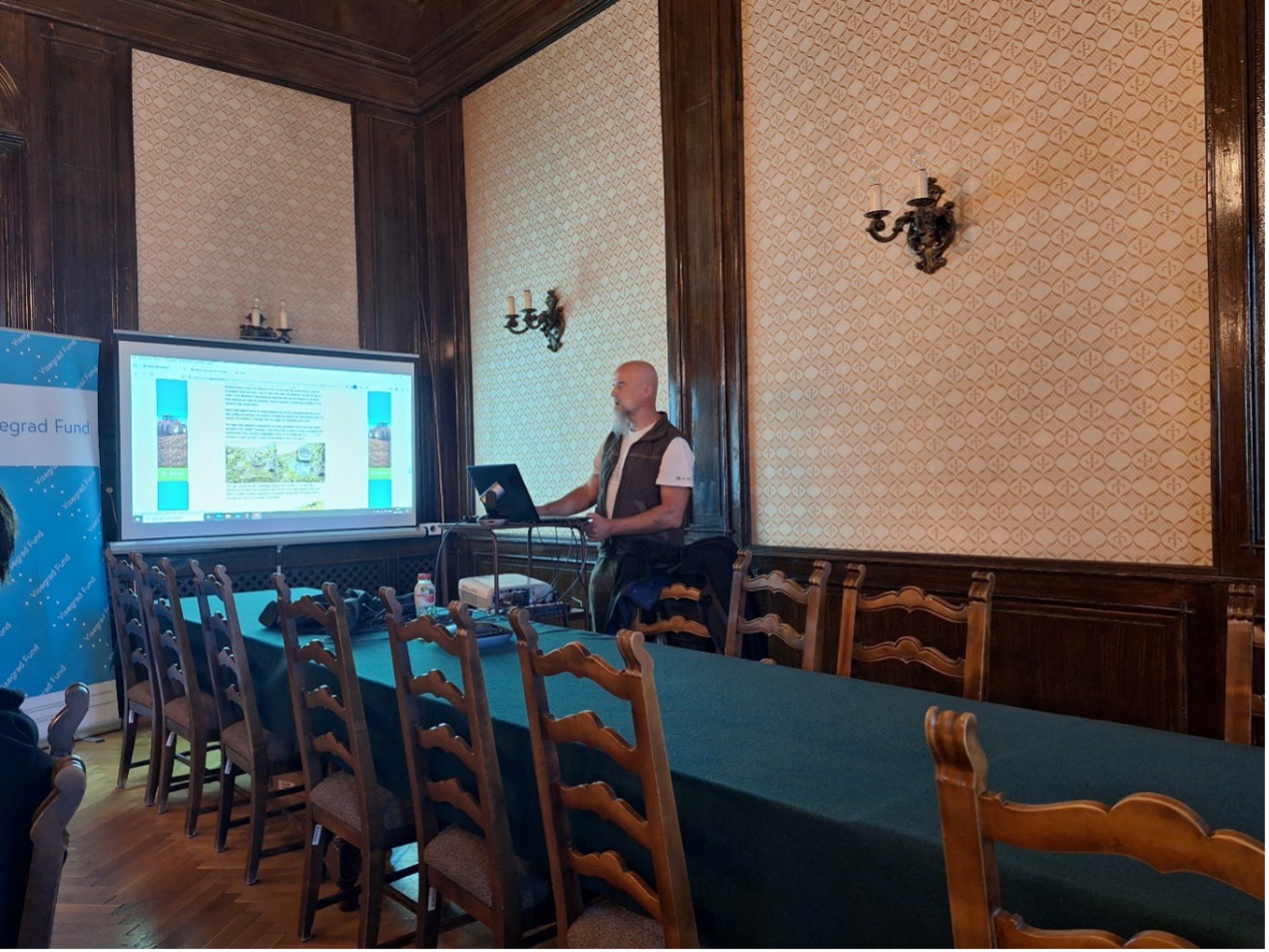
During this meeting, an important part of the visit was an exchange of knowledge and discussion on topics related to SJS, its importance and management methods in the V4 region. Activities were focused on related to the development of the “Practical guide for monitoring and management of SJS in the V4 region”. During the meeting, key issues related to the implementation of the project were also discussed and a schedule of subsequent meetings of the project participants was established.
At the end of the theoretical part of the meeting, Ph.D. Izabela Kot, Assoc. Prof. presented the latest developments of the project website.
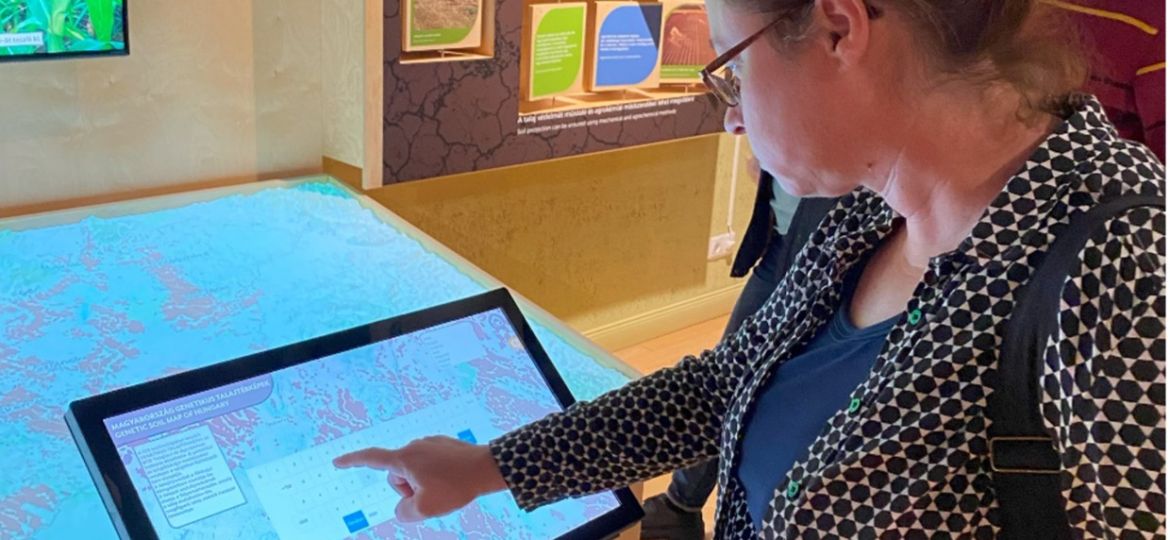
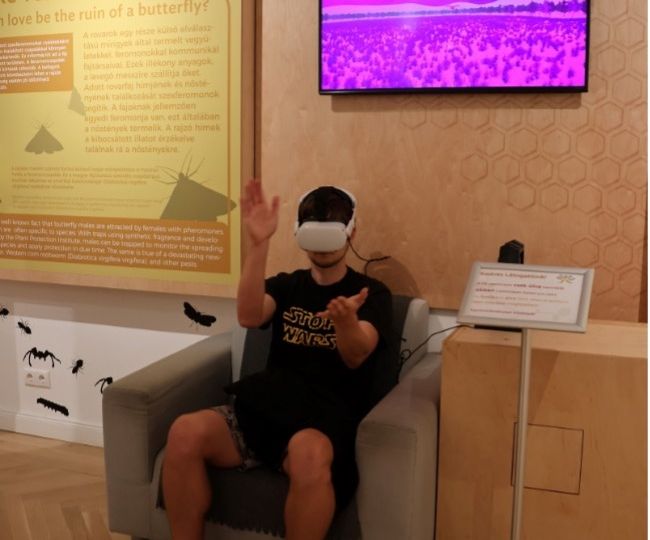
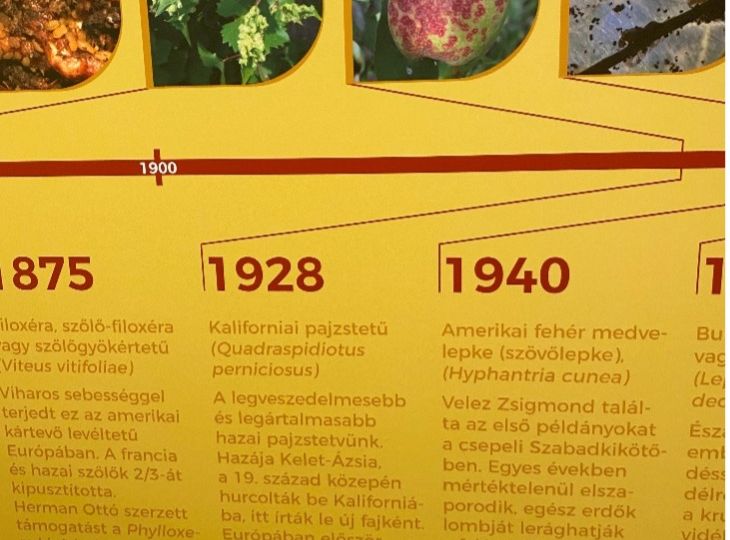
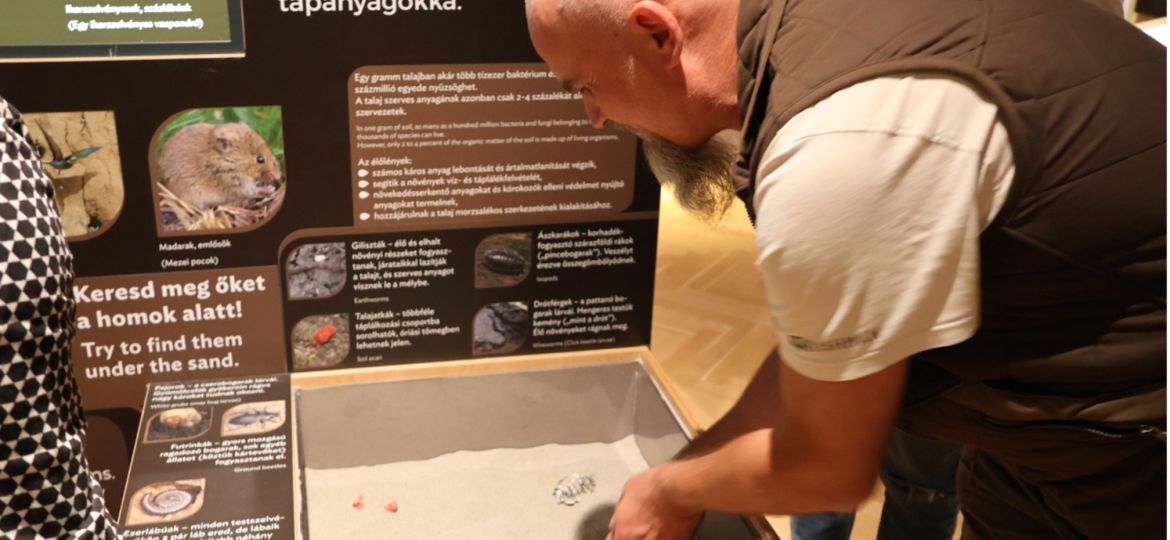
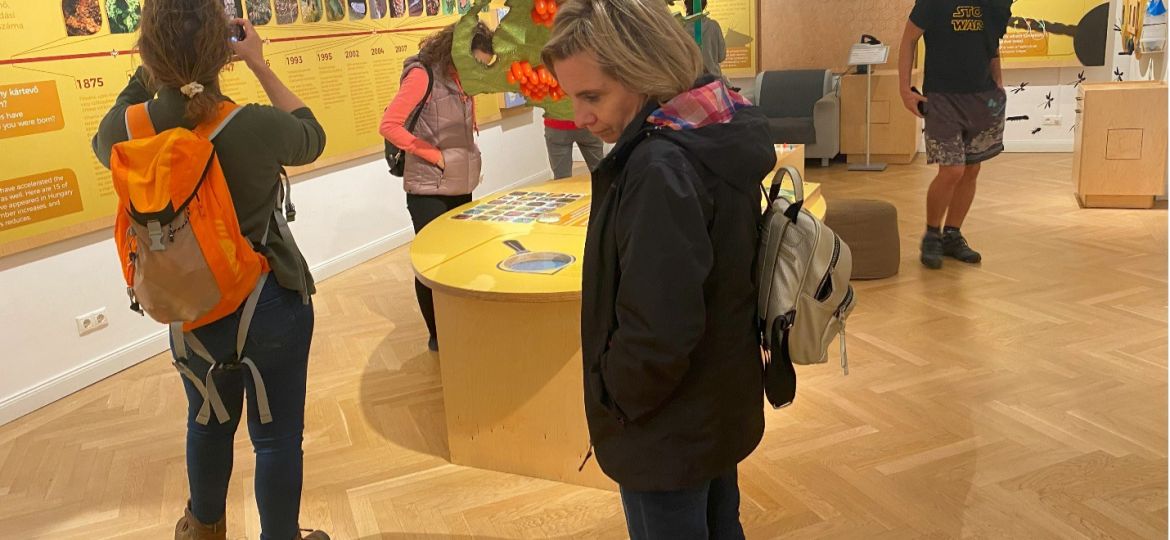
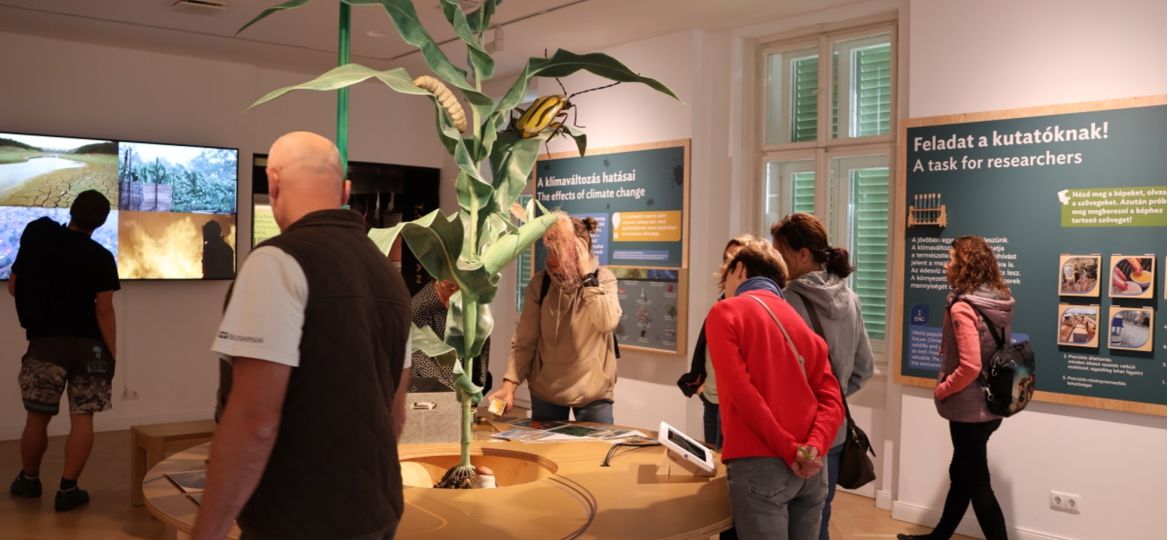
The Consortium Partners visited Agroverzum, the permanent interactive museum of the HUN-REN Centre for Agricultural Research on wide range of topics in agriculture related sciences.
NETWORKING-DAY 2 October 2024
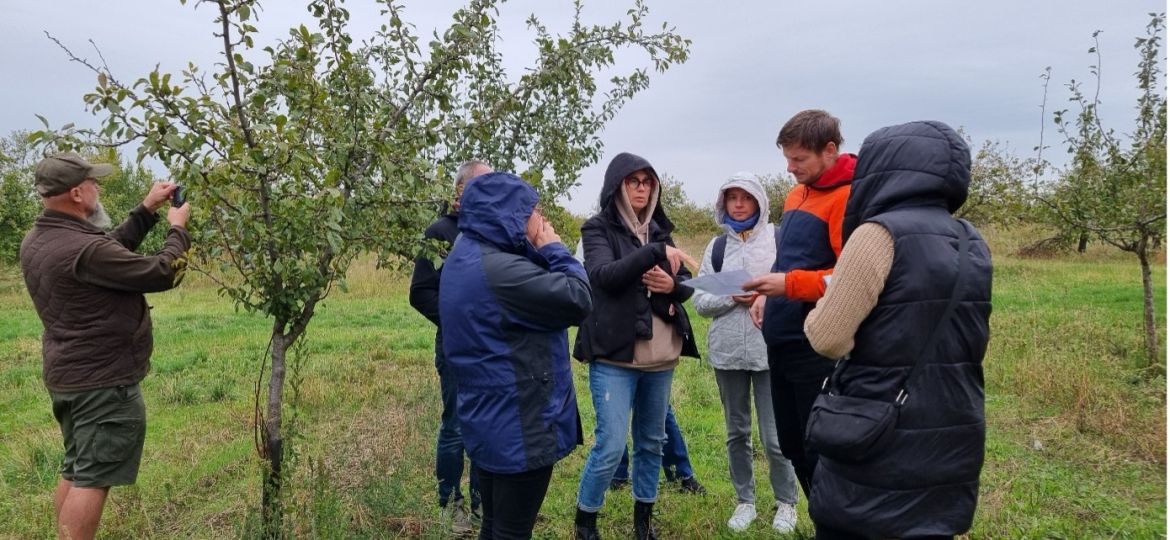
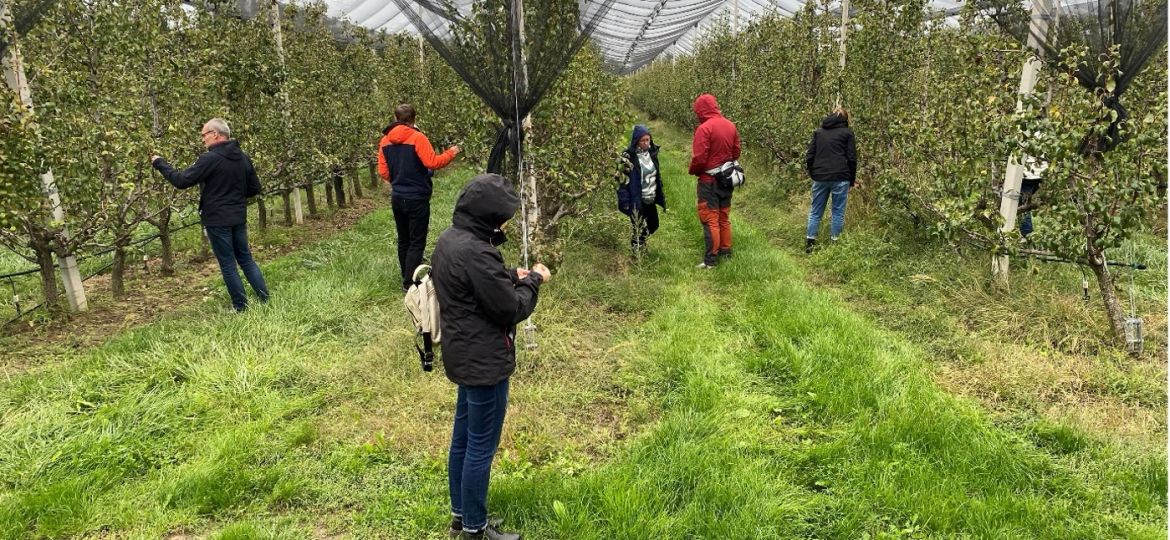
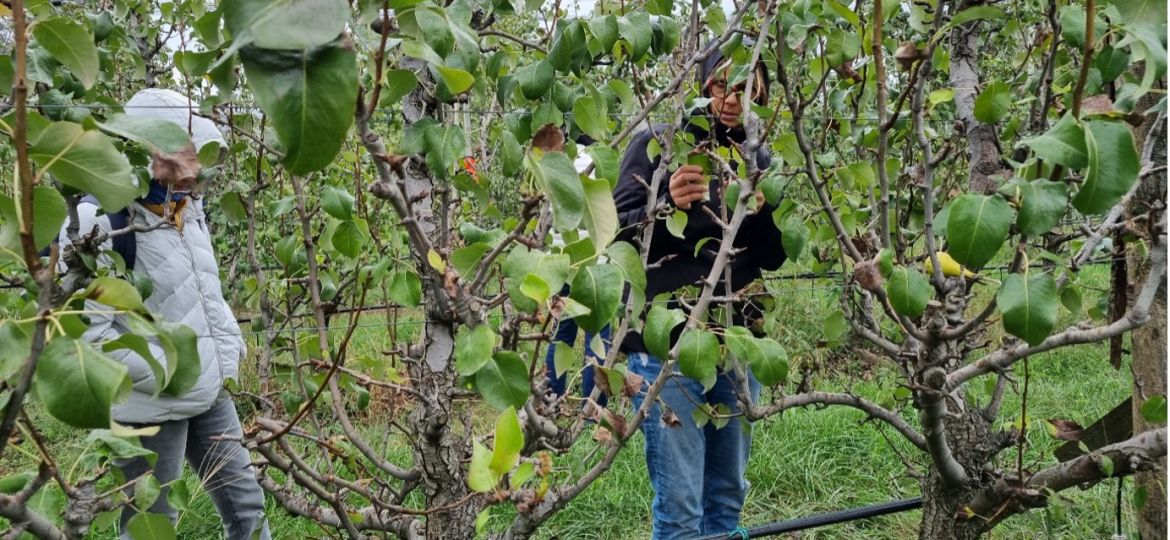
On the second day of the visit on the Project Partners took part in field trips to orchards located in in Fejér district (settlements: Tordas, Agárd, Soponya). During this trip, three orchards were visited. Partners had the opportunity to observe the damage caused by SJS in Hungarian orchards, collect material for analysis and obtain information regarding orchard farmers’ problems caused by the SJS infection.
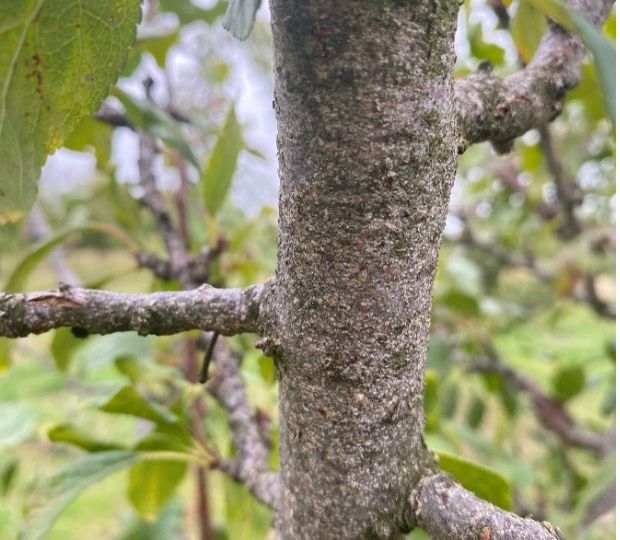
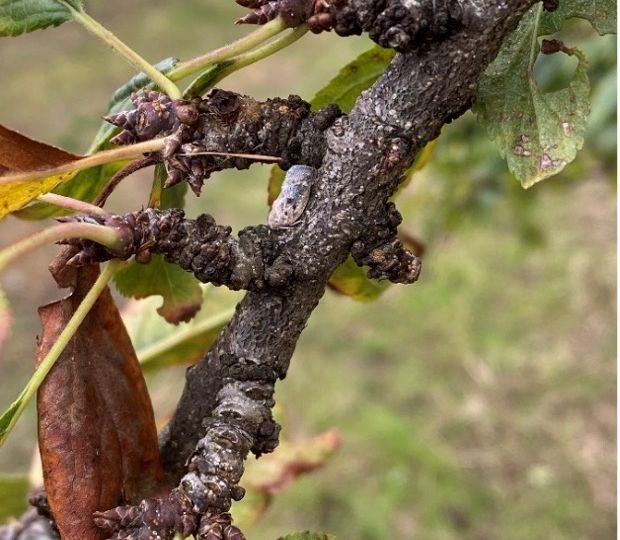
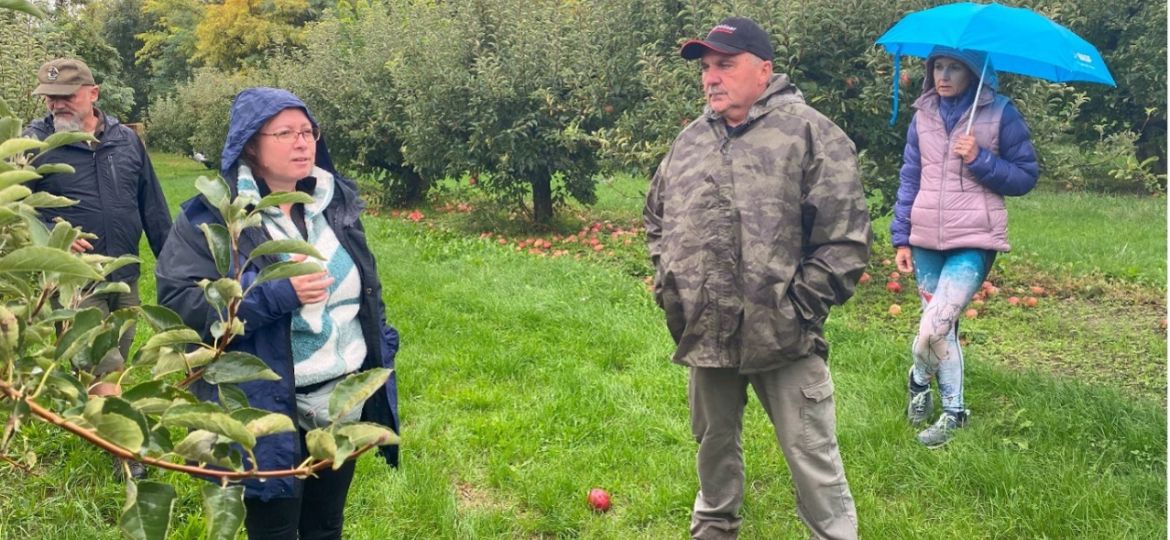
During the field trips Partners had the opportunity to meet owners of fruit farms and became acquainted with the main problems of fruit growers in Hungary, discussed about possibilities of monitoring and controlling of San Jose scale.
The meeting participants were representatives of the Consortium Partners:
- Éva Szita, Plant Protection Institute HUN-REN Centre for Agricultural Research (Hungary)
- Kornél Gerő (Plant Protection Institute HUN-REN Centre for Agricultural Research (Hungary)
- Katarzyna Golan, University of Life Sciences in Lublin (Poland)
- Izabela Kot, University of Life Sciences in Lublin (Poland)
- Katarzyna Kmieć, University of Life Sciences in Lublin (Poland)
- Edyta Górska-Drabik, University of Life Sciences in Lublin (Poland)
- Kamil Holý, Biosad (Czech Republic),
- Radek Vavra, Biosad (Czech Republic),
- Michal Skalský, Research And Breeding Fruit Institute Holovousy s.r.o., (Czech Republic)
- Jana Ouředníčková, Research And Breeding Fruit Institute Holovousy s.r.o., (Czech Republic)
- Marija Milošević, University of Belgrade (Serbia) – online
The 3rd study visit within the “QKIS (Quadraspidiotus Knowledge Information System) network” project took place in Mikulov (Czech Republic) on April 7th-8th, 2025. Hosts of the meeting were researchers from Association of Fruit Growers and Research and Breeding Fruit Institute Holovousy:
- Radek Vávra, Kamil Holý, Kateřina Bagarová and Vladan Falta from the Association of Fruit Growers (Biosad, Czech Republic)
- Jana Ouředníčková and Michal Skalský from the Research and Breeding Fruit Institute Holovousy (VSUO, Czech Republic)
This meeting was the third of three planned study visits, during which consortium members solve problems related to the San José scale (SJS) invasive pest species occurring in the V4 region.
The meeting participants were representatives of the consortium partners: University of Life Sciences in Lublin (Poland), Plant Protection Institute Centre for Agricultural Research HUN-REN (Hungary) and invited Balkan Partner from University of Belgrade (Serbia).
WORKSHOP DAY, 7th April 2025
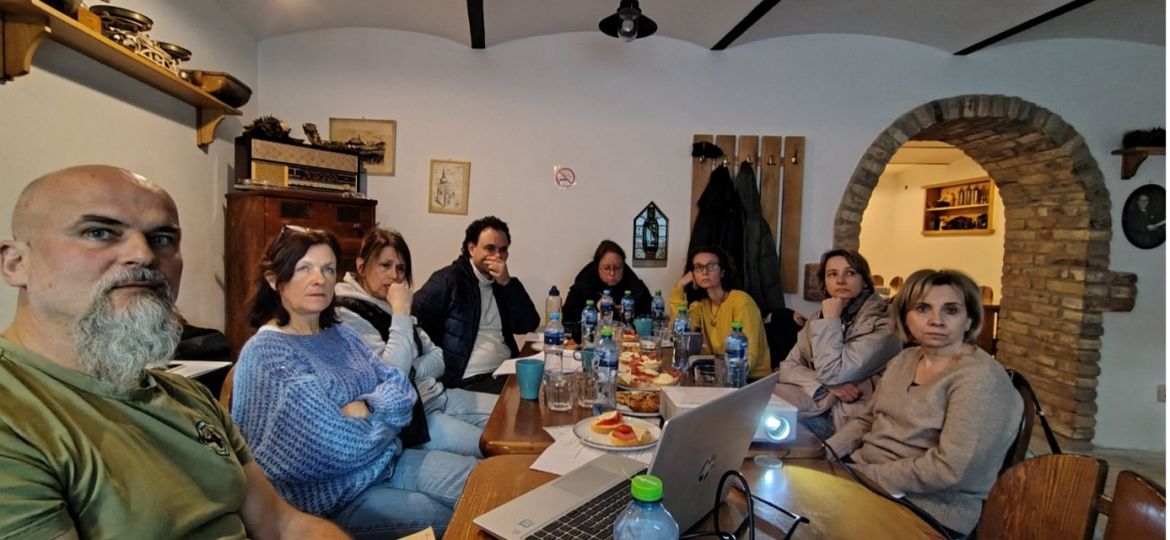
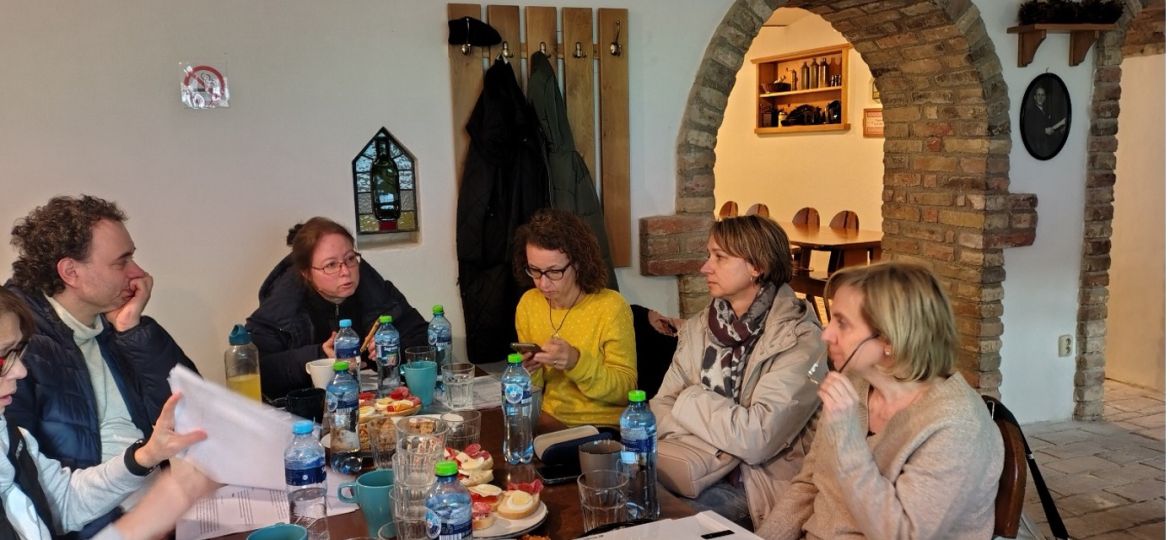
On the first day of the study visit members of the project consortium worked on finalization the manuscript “Practical guide on SJS monitoring and management in V4 region”. Kamil Holý presented parasitoids of SJS which play important role in regulation of pest´s population. Introduction of natural enemies from the place of their origin is one of the control methods. Several parasitoid species were released in Europe in the last century. SJS parasitoid complex included about 20 species in Central Europe. For the Central Europe are important mainly two of them (Encarsia perniciosi and Aphytis proclia). Issues related to situation with SJS in the Czechia were discussed during the meeting – distribution, damage, SJS monitoring and methods of control in IPM and organic orchards, number of generations, role of natural enemies and a practical training on the natural enemies identification.
NETWORKING-DAY 8th April 2025
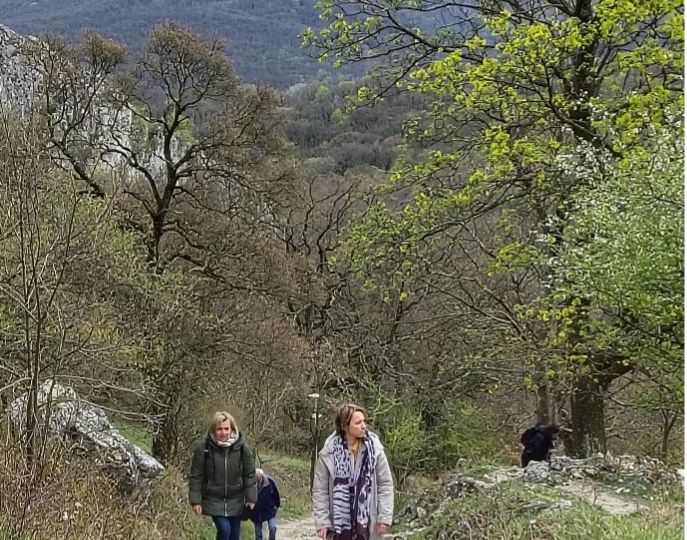
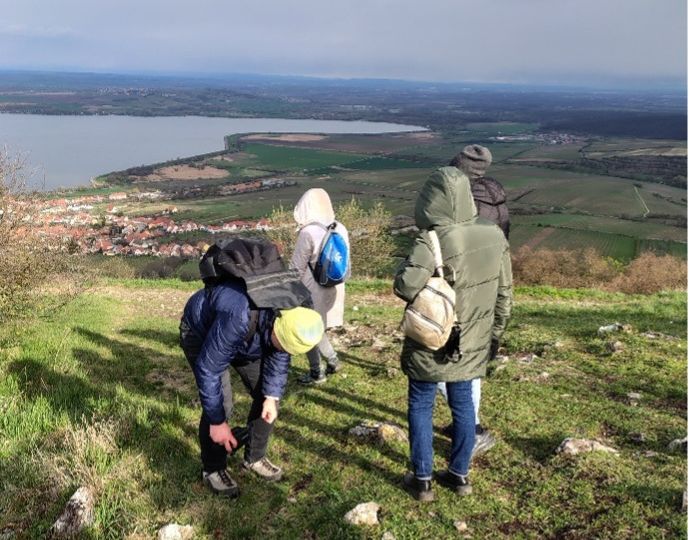
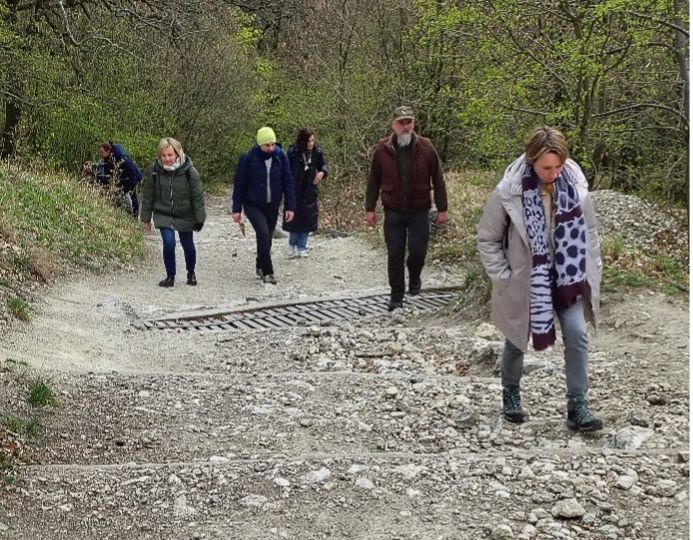
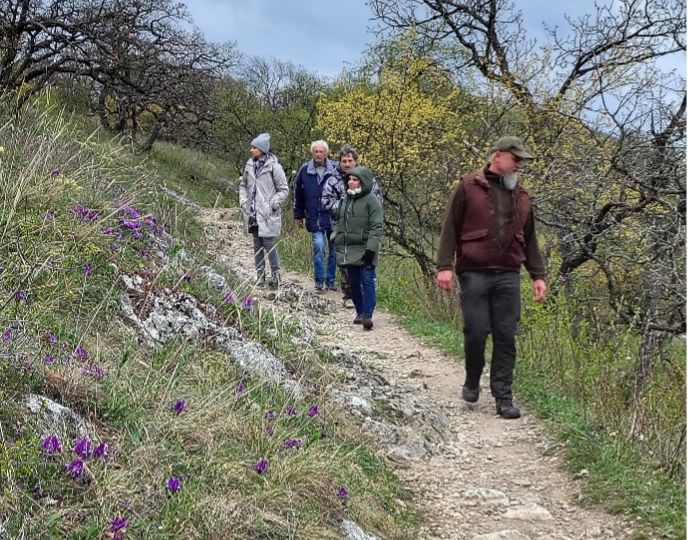
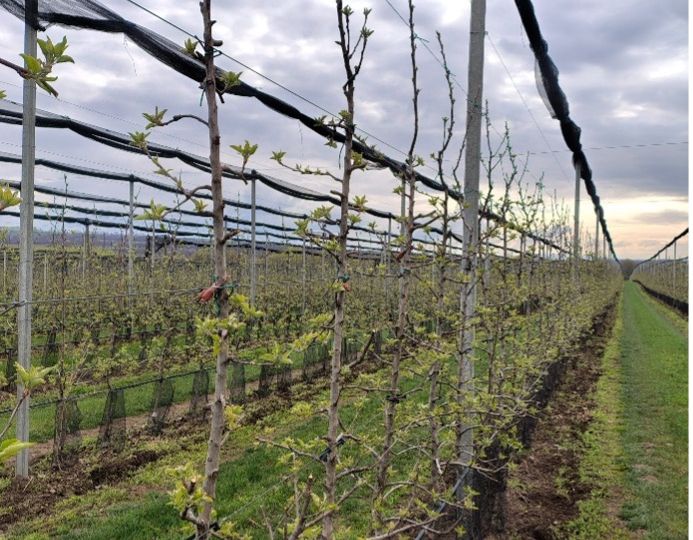
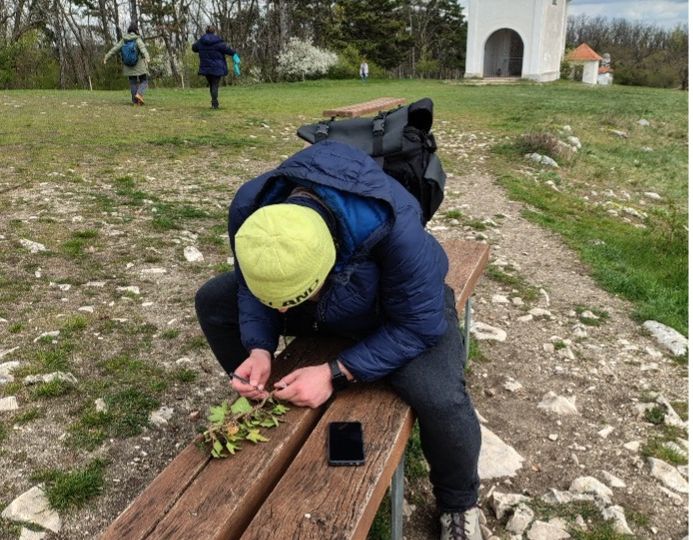
On the second day of the visit on the Project Partners took part in field trips to fruit orchards of the company Agrosad Velké Bílovice. Partners had the opportunity to observe the damage caused by SJS in orchards, collect material for analysis and obtain information regarding orchard farmers’ problems caused by the SJS infection in past time and current situation. Experiences with monitoring and controlling of San Jose scale were discussed.
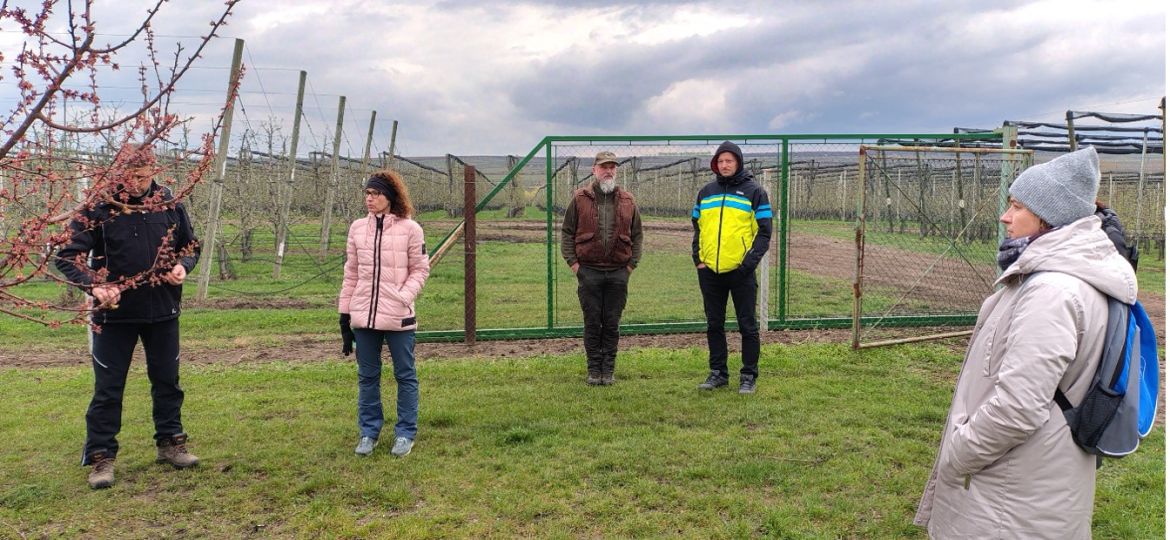
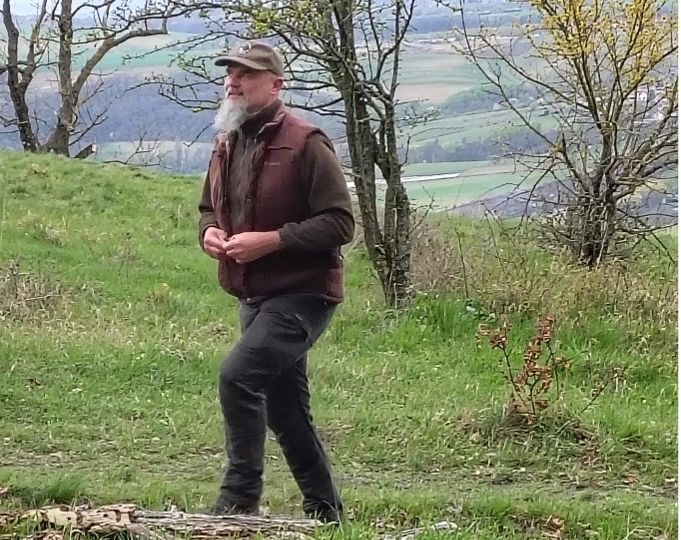
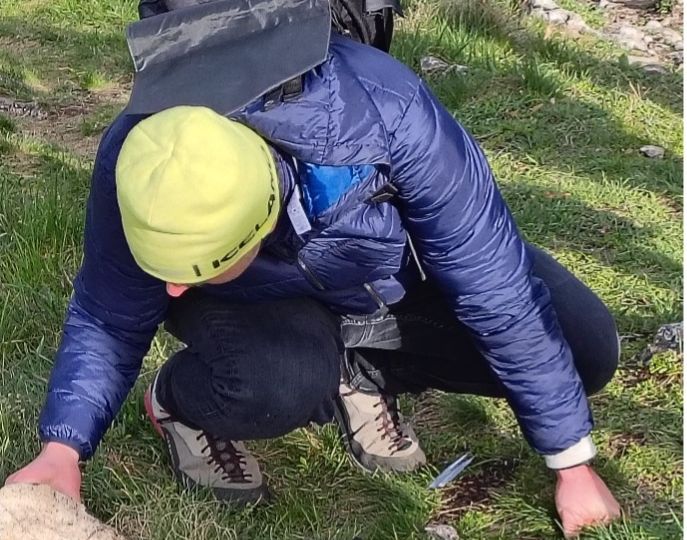
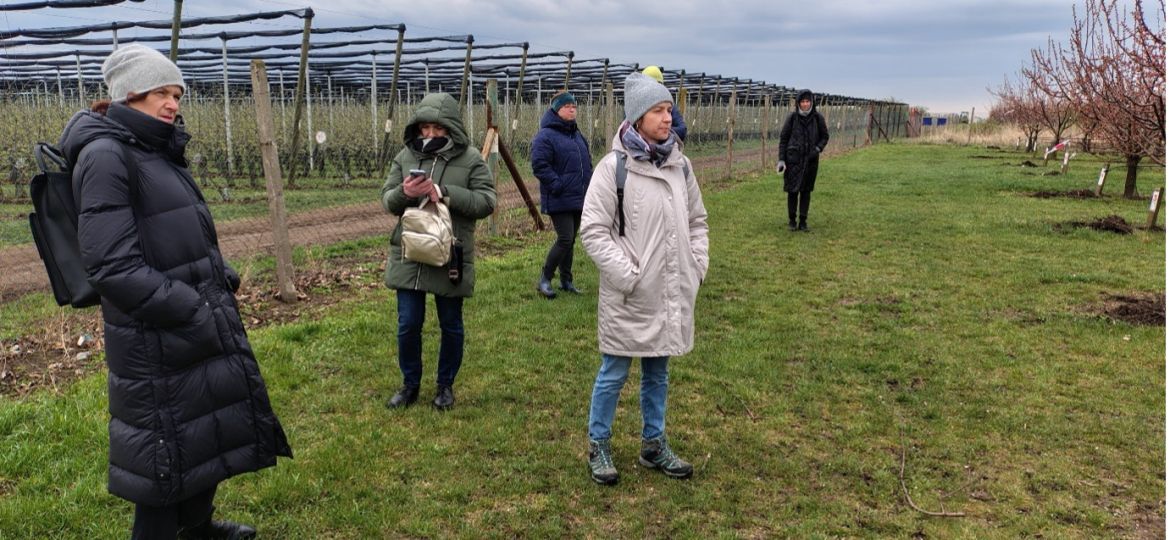
Meeting participants were representatives of the partners consortium:
- Radek Vávra, Association of Fruit Growers (Biosad, Czech Republic)
- Kamil Holý, Association of Fruit Growers (Biosad, Czech Republic)
- Michal Skalský, Research and Breeding Fruit Institute Holovousy (VSUO, Czech Republic)
- Jana Ouředníčková, Research and Breeding Fruit Institute Holovousy (VSUO, Czech Republic)
- Kateřina Bagarová, Association of Fruit Growers (Biosad, Czech Republic)
- Vladan Falta, Association of Fruit Growers (Biosad, Czech Republic) (online)
- Katarzyna Golan, University of Life Sciences in Lublin (Poland)– Project Coordinator
- Izabela Kot, University of Life Sciences in Lublin (Poland)
- Katarzyna Kmieć, University of Life Sciences in Lublin (Poland)
- Edyta Górska-Drabik, University of Life Sciences in Lublin (Poland)
- Marija Milošević, University of Belgrade (Serbia) (online)
- Draga Graora, University of Belgrade (Serbia) (online)
- Éva Szita, Plant Protection Institute Centre for Agricultural Research HUN-REN (Hungary)
- Kornél Gero, Plant Protection Institute Centre for Agricultural Research HUN-REN (Hungary)
On June 23, 2025, the final online meeting of the QKIS (Quadraspidiotus Knowledge Information System) project took place. The event was organized by the University of Life Sciences in Lublin and brought together representatives of the Project Consortium:
- University of Life Sciences in Lublin (Poland),
- Plant Protection Institute Centre for Agricultural Research HUN-REN (Hungary),
- Association of Fruit Growers of the Czech Republic Biosad z.s.,
- Research and Breeding Fruit Institute Holovousy S.R.O. (Vsuo, Czech Republic),
- University of Belgrade (Serbia).
External stakeholders were also invited, including farmers, horticultural advisors, researchers, representatives of academic and research institutions, as well as local and regional authorities. In total, 62 participants from Poland, Czech Republic, Hungary, and Serbia took part in the meeting, which lasted over four hours.
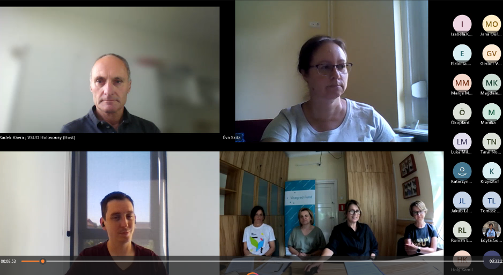
The discussion focused on the challenges related to the occurrence and management of the San José scale (Quadraspidiotus perniciosus) in the Visegrad Group countries, as well as on the outcomes of cooperation between the horticultural sector and project partners.
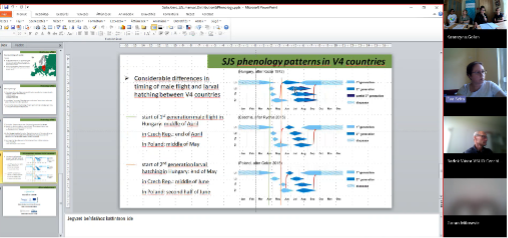
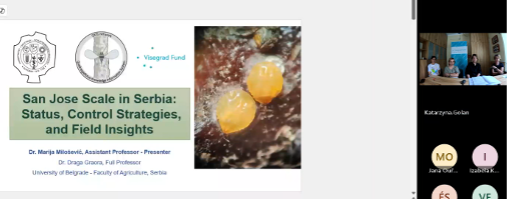
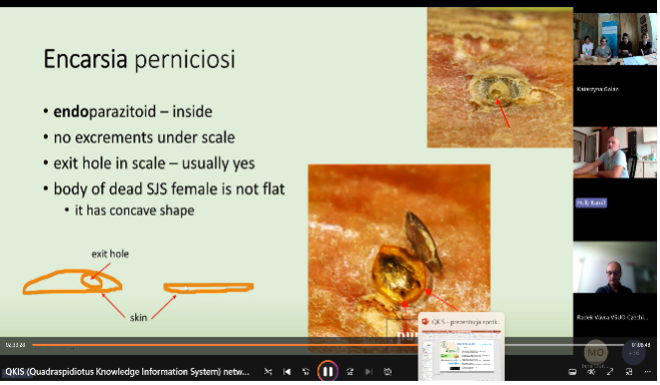
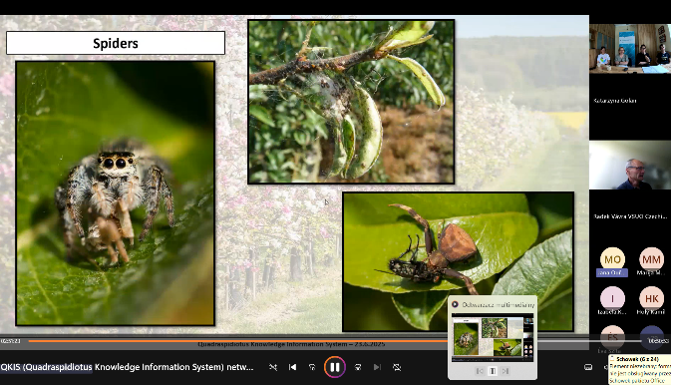
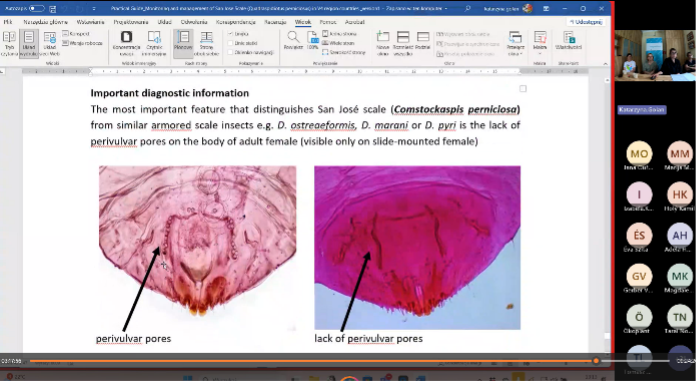
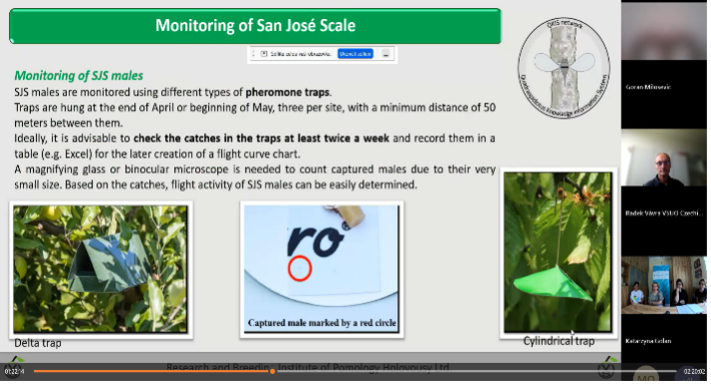
During the meeting, the QKIS team presented the results of their work – the “Practical Guide”, a comprehensive source of knowledge on the San José scale, covering its morphology, identification, monitoring, and control methods in the V4 countries.
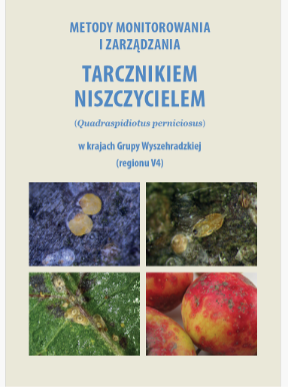
“Practical Guide” will be released in four language versions (English, Polish, Czech, and Hungarian) and will be available online in PDF format.
Although the official project period is coming to the end, the work of the QKIS Network team are continues!
If you are experiencing problems with the San José scale, please contact us via email: tarcznik@gmail.com